
Things to do in Toraja from Rantepao
Make Kete Kesu and Londa the first day from Rantepao: carved houses and rice barns in the morning, then coffins and tau-tau at the burial cave. Spend a second day in northern villages and a third among Batutumonga’s terraces.
Houses and burial cliffs
| Outing | What you see | Access and effort |
|---|---|---|
| Kete Kesu and Londa | Carved houses, barns and two burial settings | Road transfers south of Rantepao; steps and a dark cave at Londa |
| Bori and Palawa | Standing stones and rows of tongkonan | Northern road outing; steps at Bori |
| Batutumonga | Terraced paddies and ridge views | About 90 minutes by road each way; village walking follows uneven dirt tracks |
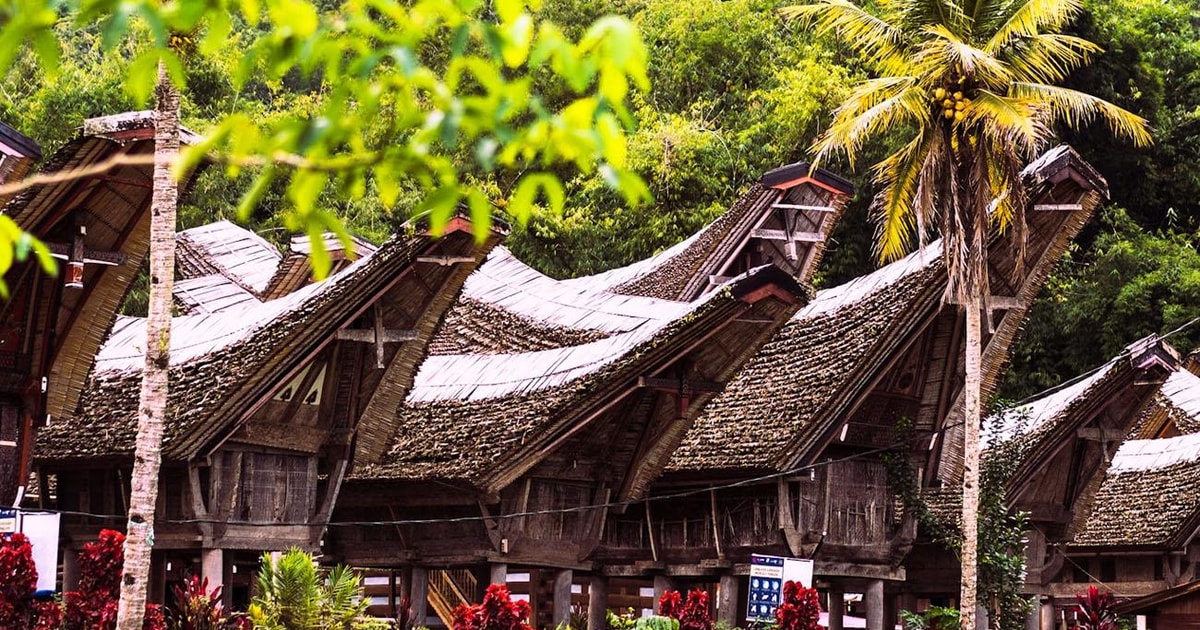
Kete Kesu is a village of raised family houses and facing rice barns, with carving across the timber fronts and a burial cliff behind. Hanging coffins and tau-tau occupy the rock beyond the house compound. South of town, Londa has cliff-hung coffins and a natural cave reached by stairs. A personal flashlight or a local guide’s lamp reveals the recesses inside. Visitors descend into low, dark passages, with coffins and human remains around them.
The two sites allow a full sightseeing day with road transfers, lunch and an evening in Rantepao. Admission, local cave guiding and lantern hire are charged at the sites. A car with a driver and a local guide connects the stops from Rantepao.
Standing stones and northern villages
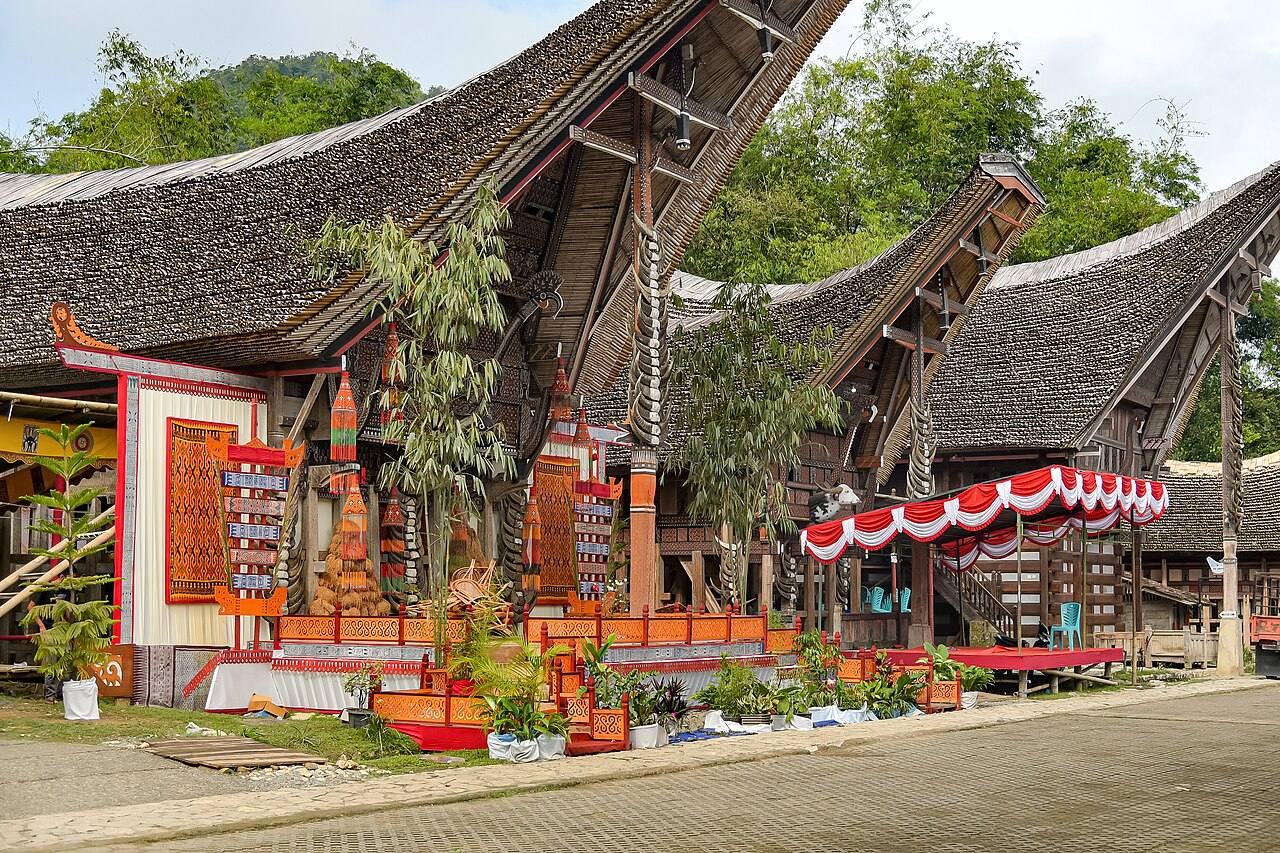
Bori Kalimbuang’s menhirs stand at different heights in a grassy ceremonial ground, with tongkonan and the Balakkayang ceremonial building alongside. The regency’s January 2025 Bori admission figure was Rp 15,000 (about US$0.80) per person; it is historical rather than a current quote. About 8 km north of Rantepao, the site lies beside the road, with steps beyond the entrance. Palawa is farther into Sesean, around 10 km from town: rows of tongkonan and rice barns face one another across the village space. Buffalo horns and carved panels cover the timber fronts, close enough to study from the compound.
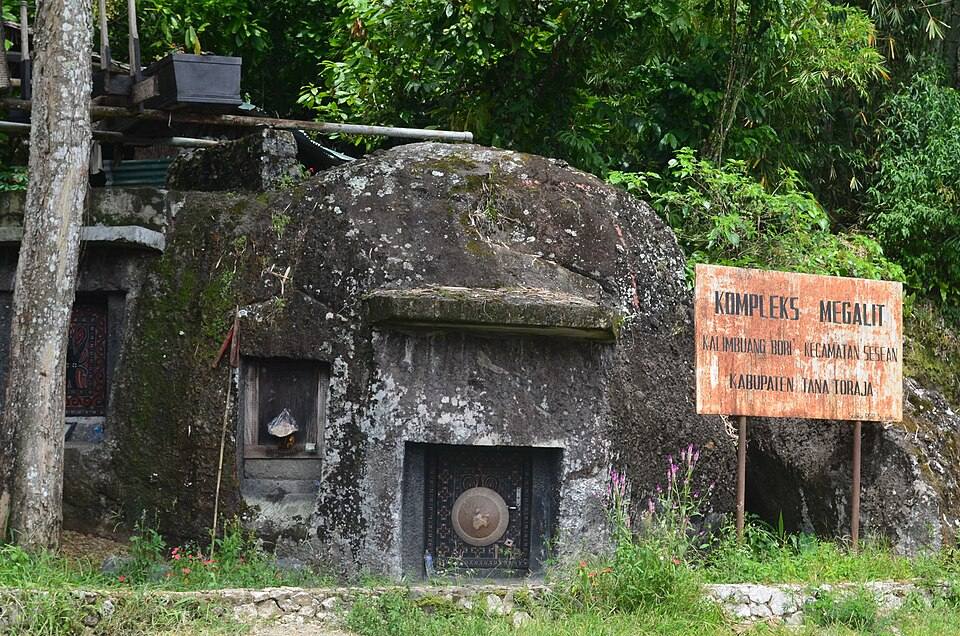
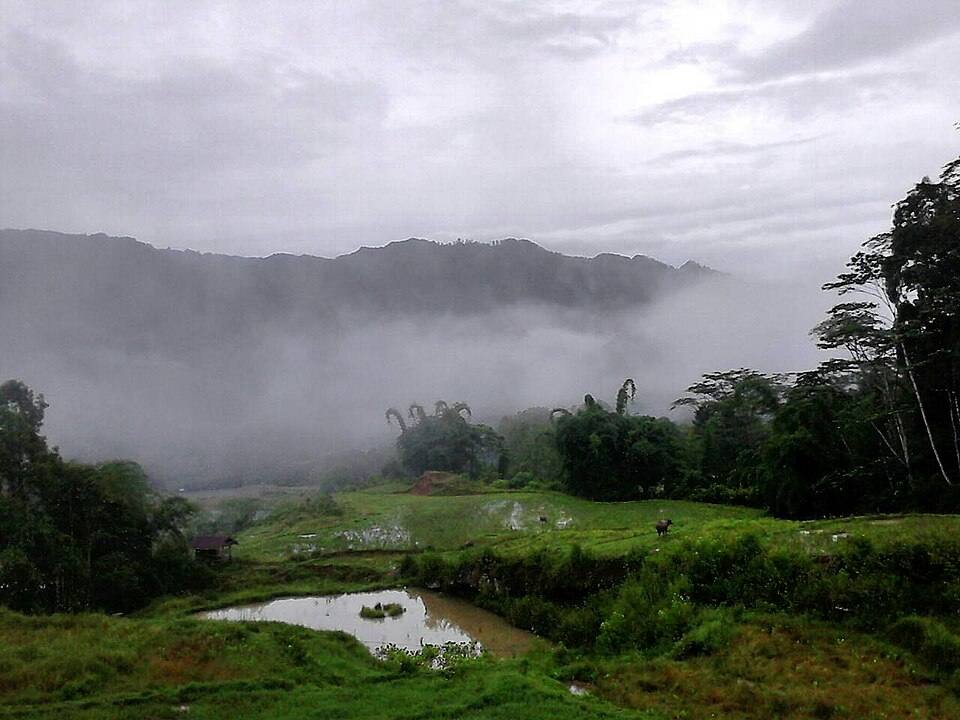
The road climbs in looping bends toward Batutumonga. Tinambayo looks over terraces on the approach; higher on Mount Sesean’s slopes, fields give way to forest and open grassland. Lo’ko Mata is a great boulder cut with tomb chambers, painted doors and miniature tongkonan. The ridge is about a 90-minute drive from Rantepao, before any walking. Bori and Palawa occupy a northern village day; the terraces and boulder tomb belong to the higher mountain road.
Lemo, Makale and Sangalla
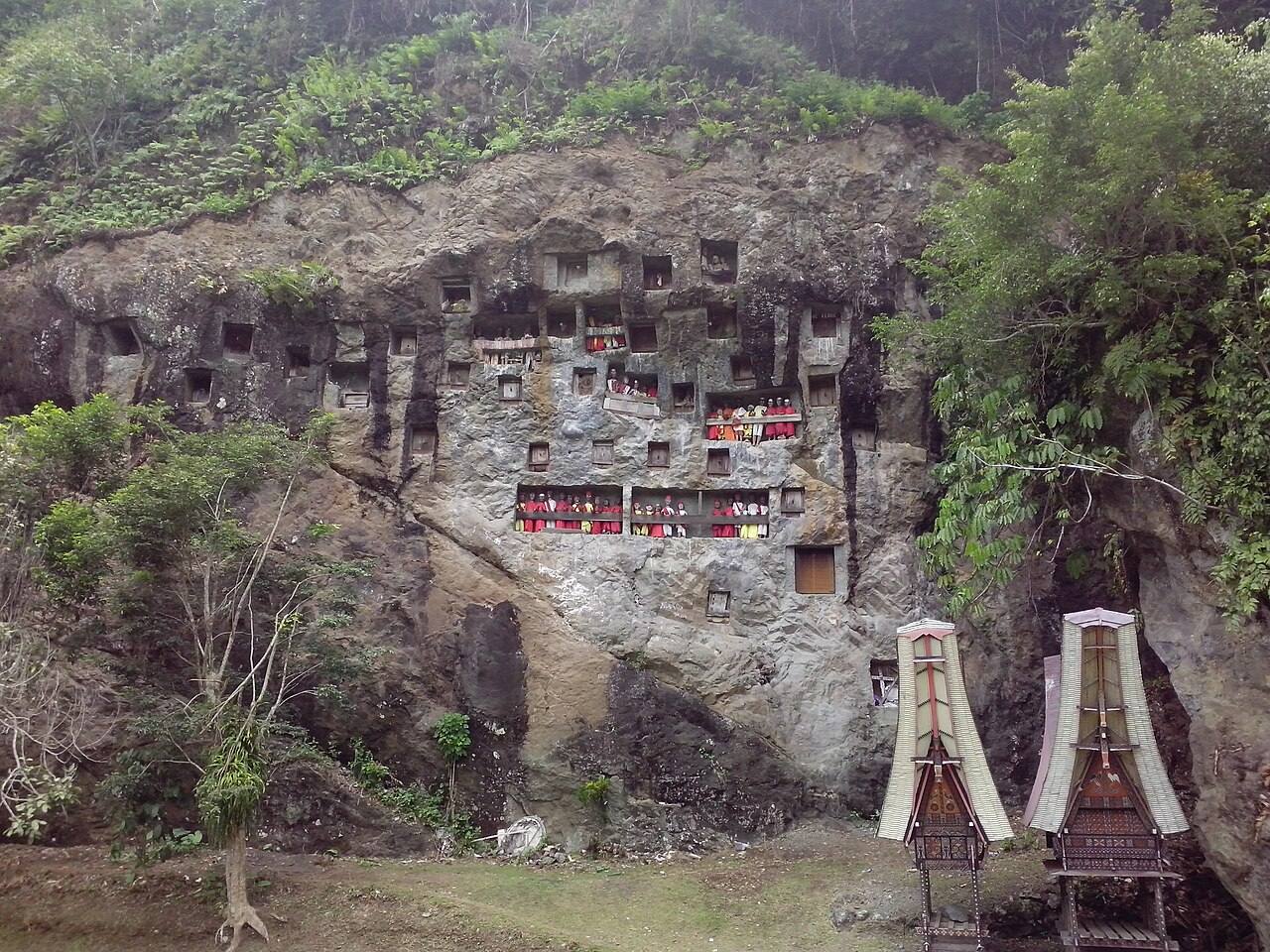
Lemo, about 11 km south of Rantepao, has graves high above rice fields. Rows of tau-tau occupy balconies cut into a cliff; a small path through the paddies can be muddy. The wooden figures face out from the rock into an open-air burial landscape. Continuing south reaches Makale, the capital of Tana Toraja. Its market has areas for piglets, adult pigs and pork, while the hilltop Jesus statue at Buntu Burake looks across the town and surrounding ridges.
East toward Sangalla, Kambira’s tree graves hold the old, closed recesses made for infants who died before teething. The custom has ceased; the trees remain places of remembrance. Makula, on Jalan Poros Makula–Tokesan in Sangalla Selatan, has built sulfur hot-water pools, gazebos and places to eat or rest. The pool complex has adult and children’s pools. Lemo and Makale lie along the southern corridor; continuing to Kambira or Makula means taking the road east into Sangalla. From Rantepao or Makale, a private car with driver visits Lemo and the Suaya royal tombs before Kambira, the Buntu Burake statue and Kete Kesu.
Tana Toraja: Exploring the Enchanting Heritage of Toraja
Explore southern burial places in a private car with a driver.
- 8 hours; pickup and drop-off in Rantepao or Makale
- Air-conditioned private car with driver; mineral water, fuel and parking
from US$37 per person
English-speaking guide, lunch and entrance fees are not included in the displayed US$37 private-car option; Professional photos or video by professional photographers; Other additional expenses, souvenirs, donations and tipping
See dates on GetYourGuideAffiliate link · GetYourGuide
Markets and family ceremonies
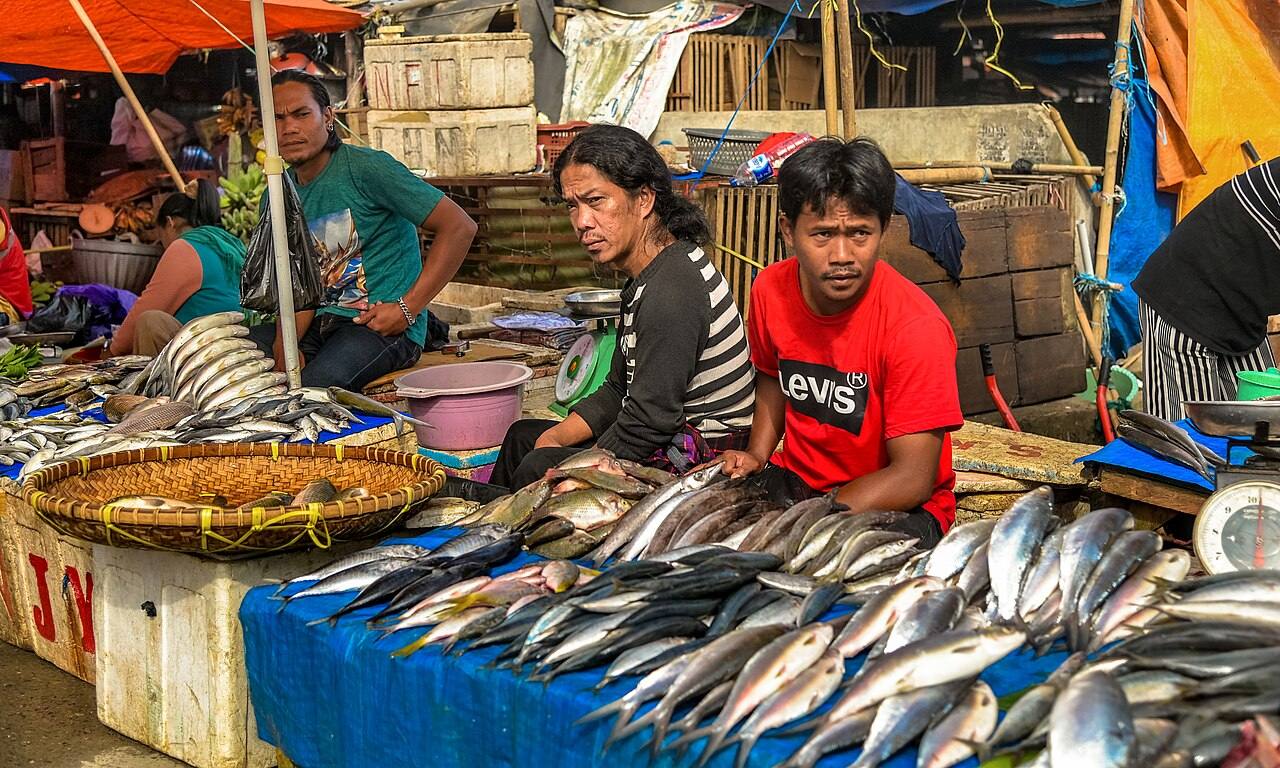
At Pasar Bolu, buffalo and pigs are traded alongside everyday produce and Toraja coffee. At the working market, traders handle, buy and sell livestock also used in Toraja’s ceremonies. Buffalo horns displayed on tongkonan recall animals sacrificed at family funerals. The market connects the town’s everyday commerce with the large family gatherings central to Toraja’s death rituals.
A Rambu Solo funeral involves receptions, processions and shared food. Some ceremonies include buffalo or pig sacrifice. Relatives gather over several days, and the hosts set the program. At Ma’Nene, families care for and redress deceased relatives in their northern villages.
Drivers, village walks and Mount Sesean
A car with a driver connects the outlying sights and returns to a Rantepao hotel each evening. Cultural guides explain the houses and family histories along the route. The day’s agreement covers the journey back and the guide’s expenses. Rantepao’s bemo and pete-pete serve town connections; a hired car waits during village visits on the outlying roads.
A hosted walk from the Lo’ko Mata area follows houses, bamboo forest, paddies and coffee plantings after a road transfer. Dirt tracks cross cultivated slopes, with lunch in a village along the way. On the road-assisted Mount Sesean outing, a vehicle continues about fifteen minutes beyond Batutumonga to the walking start. The climb takes roughly two and a half hours, followed by two hours down to the vehicle. Local transport reaches the ridge; the Mount Sesean ascent continues on foot through settlements and forest.
Reviewed: