
Toraja funeral visits: Rambu Solo and respect
Attend a Rambu Solo funeral with a local guide and the host family’s invitation. Relatives gather for receptions, feasts and processions that can extend over days or weeks; buffalo and pig sacrifice may form part of the ceremony. The family’s program determines what a guest sees.
Joining a family gathering
A local guide introduces guests to a bereaved family holding a funeral during their stay. Relatives and the wider village gather for the occasion, with visitors received according to the hosts’ arrangements. Accommodation staff and tourist offices can recommend a guide. The guide accompanies guests at the ceremony and explains the proceedings.
The driver handles the road journey, while the guide makes introductions and explains the rites. Before leaving Rantepao, agree the guiding fee, personal expenses and return travel. A guided outing can include this transport and cultural context, with the hosts deciding whom to welcome at their family gathering.
Receptions and the coffin procession
Rambu Solo marks the passage of a deceased person to the ancestors. Preparations may take years, while the rites can continue for days or weeks as relatives and neighbors gather. Families set the order of guest receptions, dancing, feasts and the journey to the burial place. Guests attend the part of the ceremony taking place during their visit.
At Lolai, Ma’palao or Ma’pasonglo takes the coffin from the tongkonan family house to the ceremonial ground. Men carry it while women walk ahead holding red cloth. At some noble-family funerals, guests are welcomed by Ma’randing, a war dance. The hosts decide when people gather for the reception and when the procession leaves the house.
Buffalo processions and shared food
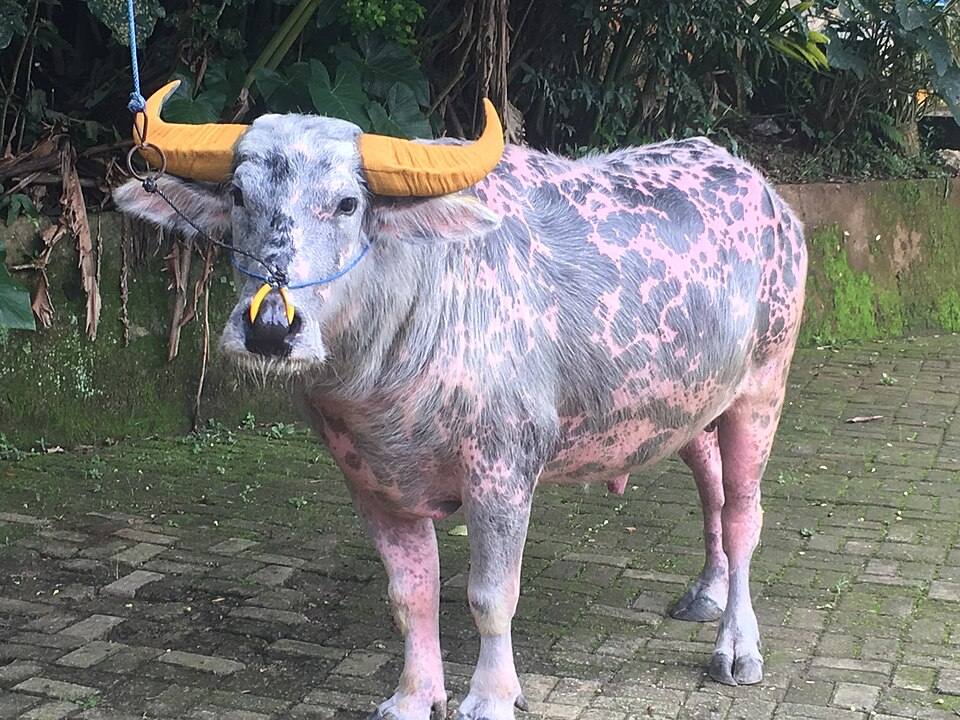
During Ma’pasa’ tedong, relatives gather buffalo and parade them into the ritual ground. Black-skinned tedong pudu and black-and-white tedong bonga are among the animals brought forward. Sacrifice follows the procession, and buffalo meat is shared with guests. Pigs may also be sacrificed. Buffalo hold a revered place in Rambu Solo, with the animals central to the family’s ceremonial spending and hospitality.
Animal slaughter can be distressing to watch. Guests attending a reception or procession follow that part of the hosts’ program. After the funeral, horns from sacrificed buffalo are displayed on the family houses, where they recall the animals and the household’s contributions to the rites.
Mourning clothes and photographs
Black is the mourning dress advised for funeral visitors. Clothing covers the shoulders and reaches at least to the knees; trousers, a long skirt, a sarong or a shawl can form part of that dress. This is an occasion of devotion to deceased parents, carried by the work of relatives and neighbors. The family receives guests within that setting.
The family and the people being photographed give permission before photographs or video are taken. This applies to mourners, the coffin, sacrifice and moments when relatives share food or move between the house and ceremonial ground. Leaving the camera packed during introductions allows time to meet the hosts first.
Funeral season and gifts
July and August are the peak funeral months. Families set their own dates, sometimes delaying a funeral for weeks, months or years while relatives assemble and prepare. The post-harvest season is associated with these gatherings; the ceremony held during a stay follows its host family’s timing.
A present for the bereaved family is a customary gesture. Tea, sweets and cigarettes are examples, with the guide helping to fit the gift to the hosts. During Ma’Nene, usually associated with August, families clean and redress relatives who have already been buried. Those households choose the dates for their remembrance.
Burial places and remembrance
The burial landscape remains visible between ceremonies. Coffins and tomb chambers occupy cliffs and caves, with tau-tau effigies on balconies or outside entrances. At Lemo, the figures line galleries cut into the rock above rice fields, representing people remembered by families nearby. Houses, resting places and ceremonial grounds belong to the same family landscape. The wider Toraja death rituals connect these tombs with the relatives who care for them and gather to commemorate the deceased.
Reviewed: